
July 10, 2026
Read the full article as published in interest.co.nz on 10th July 2026

The Issue
Using GST as working capital has become a reality for many New Zealand operations, but it creates a dangerous tax debt trap. Business owners do not set out with the intention of avoiding their statutory obligations. Instead, severe economic pressures like sustained inflation, high interest rates, and shrinking profit margins force them into a strict cash flow hierarchy of survival. When liquid funds are low, directors must make hard choices about who gets paid first. Operational necessities like staff wages, core commercial suppliers, rent, and utilities always take priority because the business cannot function for another day without them.
Against these immediate, vocal demands, tax obligations feel like a future problem. Because collections sit in commercial trading accounts for weeks or months before the Inland Revenue filing deadline, the funds look like available cash. Consequently, treating GST as working capital quietly morphs into a form of short-term financing to bridge the monthly operational gap. The reasoning is almost always that a new contract or an uptick in seasonal sales will replace the funds before the due date. However, once a single IRD payment is missed, a compounding trap springs. Daily interest charges pair with consecutive filing cycles, quickly turning a temporary cash flow blip into an unpayable debt mountain that threatens the existence of otherwise sustainable firms.
The Solution
Relying on GST as working capital underscores the urgent need to shift NZ business tax debt management from late-stage enforcement to early intervention. The current system often waits until a business is in deep crisis before triggering enforcement action, but a more constructive pathway exists. Inland Revenue is already an intelligence-led organization that holds extensive, real-time tax filing data, including PAYE records and historical payment patterns. This data gives the department a unique opportunity to identify when a firm is using GST as working capital much earlier in the debt cycle. Rather than acting when liquidation is the only option, the IRD can implement simple behavioral interventions, like targeted text reminders or early instalment arrangements, tailored to support vulnerable but commercially sustainable operations.
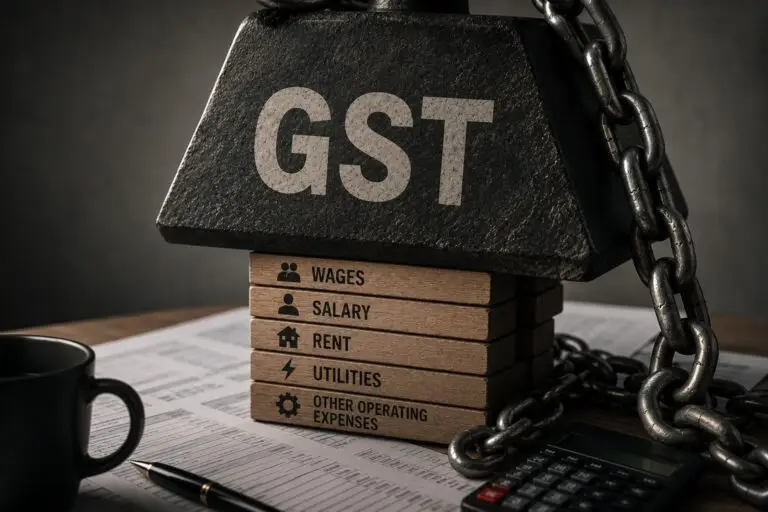
For business owners and financial advisers, the remedy to avoiding using GST as working capital requires immediate operational discipline. A fundamental rule of commercial survival is understanding that turnover does not equate to liquidity. The most effective strategy is to physically separate tax funds from daily operational cash by moving GST into a dedicated tax bank account the moment a customer pays an invoice. Furthermore, businesses must overcome the fear of contacting the authorities. Many owners delay communication because they assume immediate, harsh penalties are inevitable. In reality, engaging early addresses the root cash flow cause rather than just punishing the tax consequence, giving commercial operations the best possible chance to recover and preserve local employment.
The Data
The structural danger of utilizing GST as working capital is documented in current financial reporting. Official Inland Revenue statistics show that outstanding GST debt has reached a massive 3.3 billion dollars. This figure is not just a minor compliance statistic; it represents more than a third of New Zealand’s total 9.3 billion dollar tax and entitlement debt book, highlighting systemic financial distress across the commercial sector.
The compounding nature of tax penalties makes recovery exceptionally difficult without early intervention. With the IRD use-of-money interest debit rate sitting at 8.97 percent, interest accrues daily on the unpaid balance. When a business falls behind, it faces the impossible task of clearing historic debt while simultaneously trying to meet current tax liabilities. Because of this dual burden, it is regular to see an initial, manageable tax liability of 30,000 dollars quickly balloon into a total debt exceeding 80,000 dollars as interest charges and new filing periods accumulate. Addressing the root reasons why firms default and treat GST as working capital benefits the Crown through maximized long-term recovery, while protecting the broader economy by keeping viable businesses alive.

Relevant articles of interest:
IRD Tax Debt Crackdown: Why We Need Business Rehabilitation
Dave Ananth wants to see a different approach to collecting tax arrears from businesses
2 Critical Outcomes: Why Tax Debt Enforcement Now Prioritises Timing Over Law
Inland Revenue crackdown on tax debt continues